-01_edited_edited_edited.png)
Skin Regeneration, Explained Like a House Renovation (Rejuran vs Retuo vs Cele‑DM)
If your skin has lost that ‘inner glow,’ it’s rarely just dehydration. In today’s K‑Beauty + medical aesthetics landscape, the real conversation is regeneration: rebuilding the environment your cells live in so skin can look denser, calmer, smoother, and more elastic.
Think of your skin as a house. You can renovate it by delivering raw materials—or by installing a ready‑made structure your cells can move into.
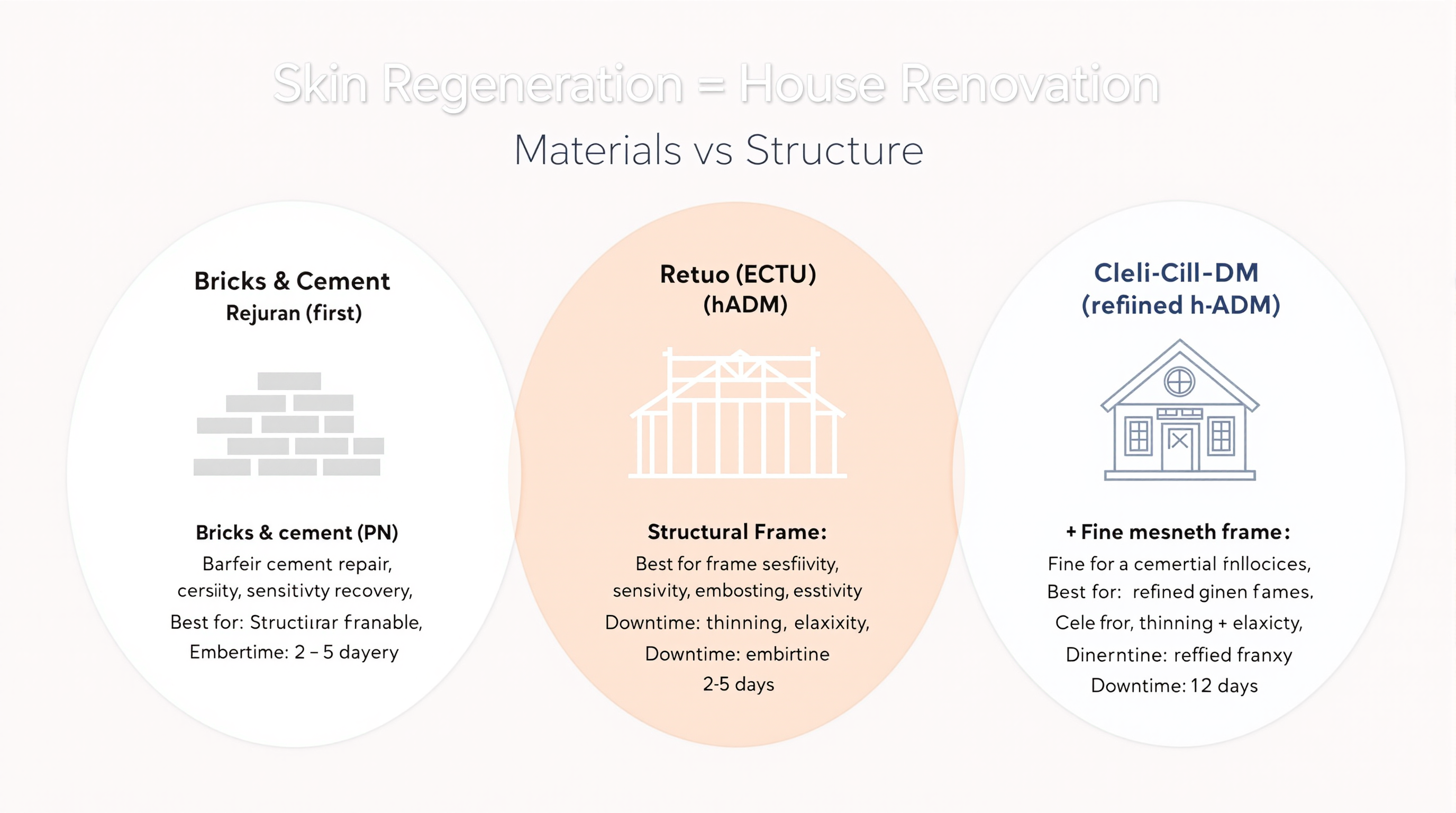
The Big Idea: Materials vs Structure
Option A — Materials (Rejuran)
You supply the ingredients for repair. Your skin does the construction.
Option B — Structure (Retuo / Cele‑DM)
You supply the framework (ECM scaffold). Your skin integrates into it.
1) Rejuran Healer = Bricks & Cement Delivery (PN)
What it is: PN (Polynucleotide) skin booster.
House analogy: a truck drops off premium bricks and cement.
What it does: supports repair signaling and collagen remodeling over time.
Best for: barrier repair, sensitivity/reactivity, post‑acne recovery and scar support.
Tradeoff: embossing (micro‑bumps) for a few days is common.
2) Retuo (리투오) = Pre‑Built Structural Frame (ECM / hADM)
What it is: ECM booster made from hADM (Human‑derived Acellular Dermal Matrix).
House analogy: a pre‑fabricated frame/scaffolding is installed.
What it does: provides a 3D collagen/elastin‑like scaffold so cells can anchor and integrate.
Best for: thinning skin, loss of elasticity, ‘hollow’ texture when you want structure—not just glow.
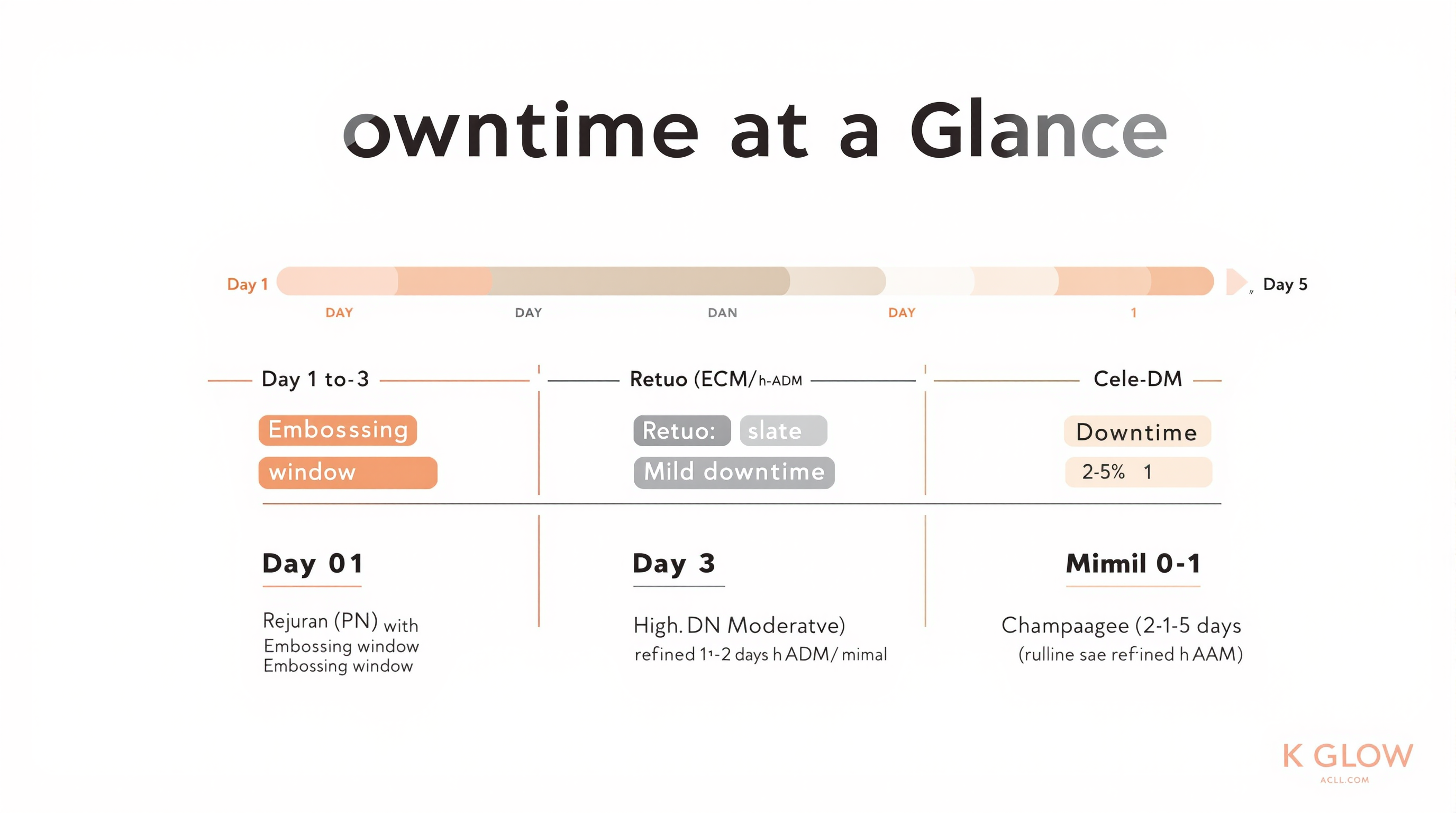
Downtime: often ~1–2 days depending on technique and skin.
3) Cele‑DM (셀르디엠) = Ultra‑Fine Luxury Build (Refined hADM)
What it is: premium evolution of hADM with advanced refinement.
House analogy: the same frame concept—engineered into ultra‑fine components for a smoother fit.
What it does: particles under ~75 μm can spread more evenly, often meaning less discomfort and less visible texture risk.
Best for: clients who want structural rejuvenation with minimal downtime.
Downtime: typically minimal.
Quick Comparison (Renovation Cheat Sheet)
Rejuran: raw bricks & cement → healing + repair | pain higher | downtime 2–5 days (bumps)
Retuo: pre‑built frame → density + elasticity | pain moderate | downtime ~1–2 days
Cele‑DM: ultra‑fine engineered frame → smooth structural rejuvenation | pain low–moderate | downtime minimal
Is ‘Human‑Derived’ Safe? (Retuo / Cele‑DM)
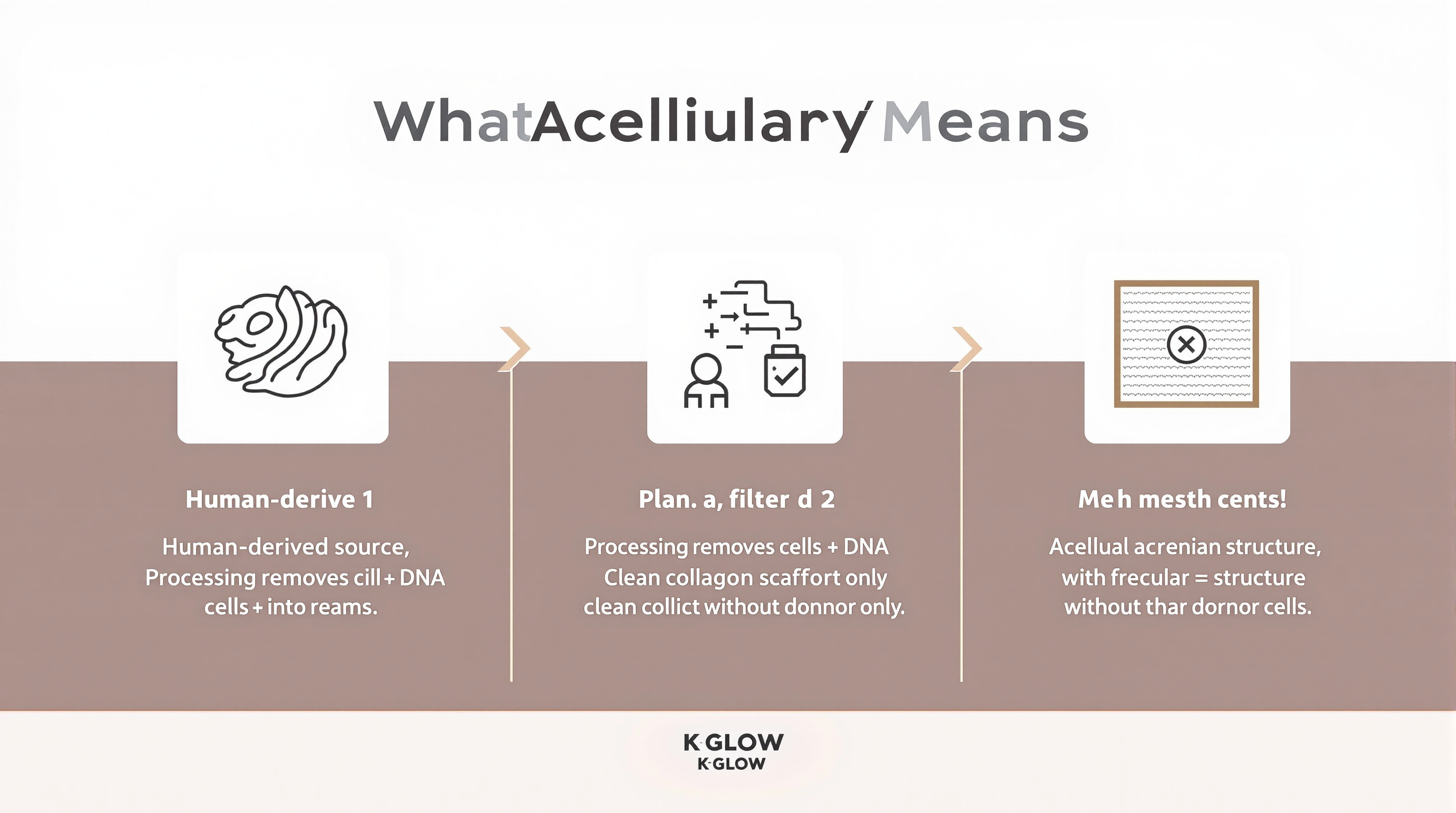
Yes—because they’re acellular. Donor cells and DNA are removed, leaving only the clean scaffold. In house terms: you’re not importing someone else’s belongings—only the sterilized structural framework.
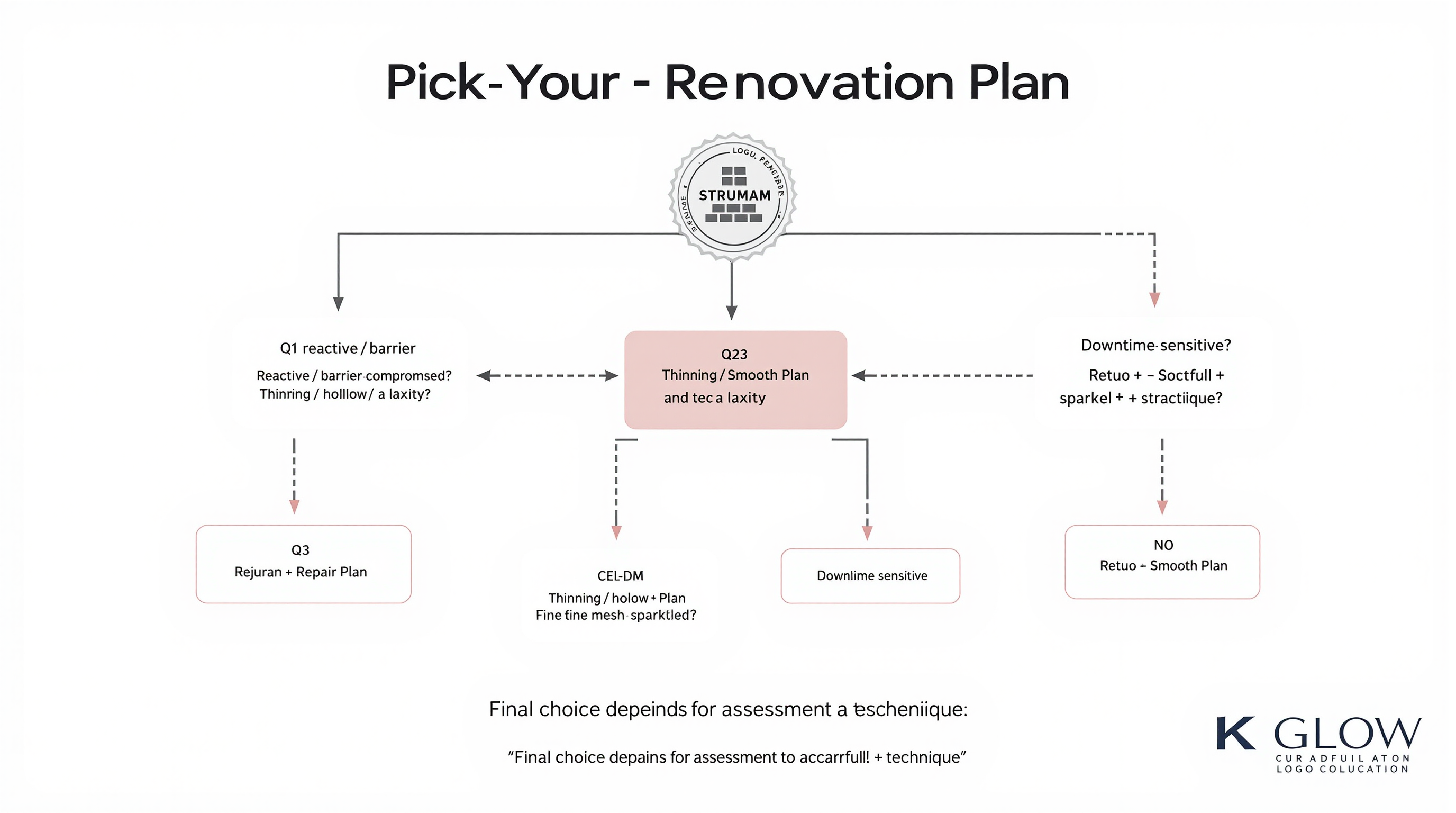
How to Choose (Simple Decision Logic)
Choose Rejuran if your priority is healing and barrier repair (foundation first).
Choose Retuo if you want structure and feel your skin is thinning or ‘hollow.’
Choose Cele‑DM if you want structure with the smoothest finish and the least downtime.
Infographic Ideas (ready to design)
Infographic 1 — ‘Build vs Frame’ (one‑panel)
SKIN = HOUSE
Problem: worn foundation + thinning walls + loose support beams
Rejuran (PN): [BRICKS + CEMENT] → your skin builds it | Best for: repair/sensitivity/scars | Downtime: bumps 2–5 days
Retuo (ECM/hADM): [STRUCTURAL FRAME] → cells move in + anchor | Best for: density/elasticity/thinning | Downtime: ~1–2 days
Cele‑DM (refined hADM): [ULTRA‑FINE FRAME] → smoother fit + even spread | Best for: structure + minimal downtime | Downtime: minimal
Infographic 2 — ‘Which Renovation Plan Are You?’ (decision tree)
If your skin feels irritated/reactive/post-acne → Rejuran = repair materials
If your skin feels thinner/less elastic → Retuo = structural support
If you want structure but hate downtime → Cele‑DM = refined smooth build
Ready to Start Your Skin Renovation?
Your best results come from choosing the right renovation plan for your skin’s current architecture—not just what’s trending. Consult your specialist and match the treatment to your foundation (barrier), structure (density), and lifestyle (downtime tolerance).
Infographics (K Glow Visual Guide)
Save these for reference — each graphic includes the K Glow renovation analogy to help you choose the right regeneration approach.
1) Materials vs Structure
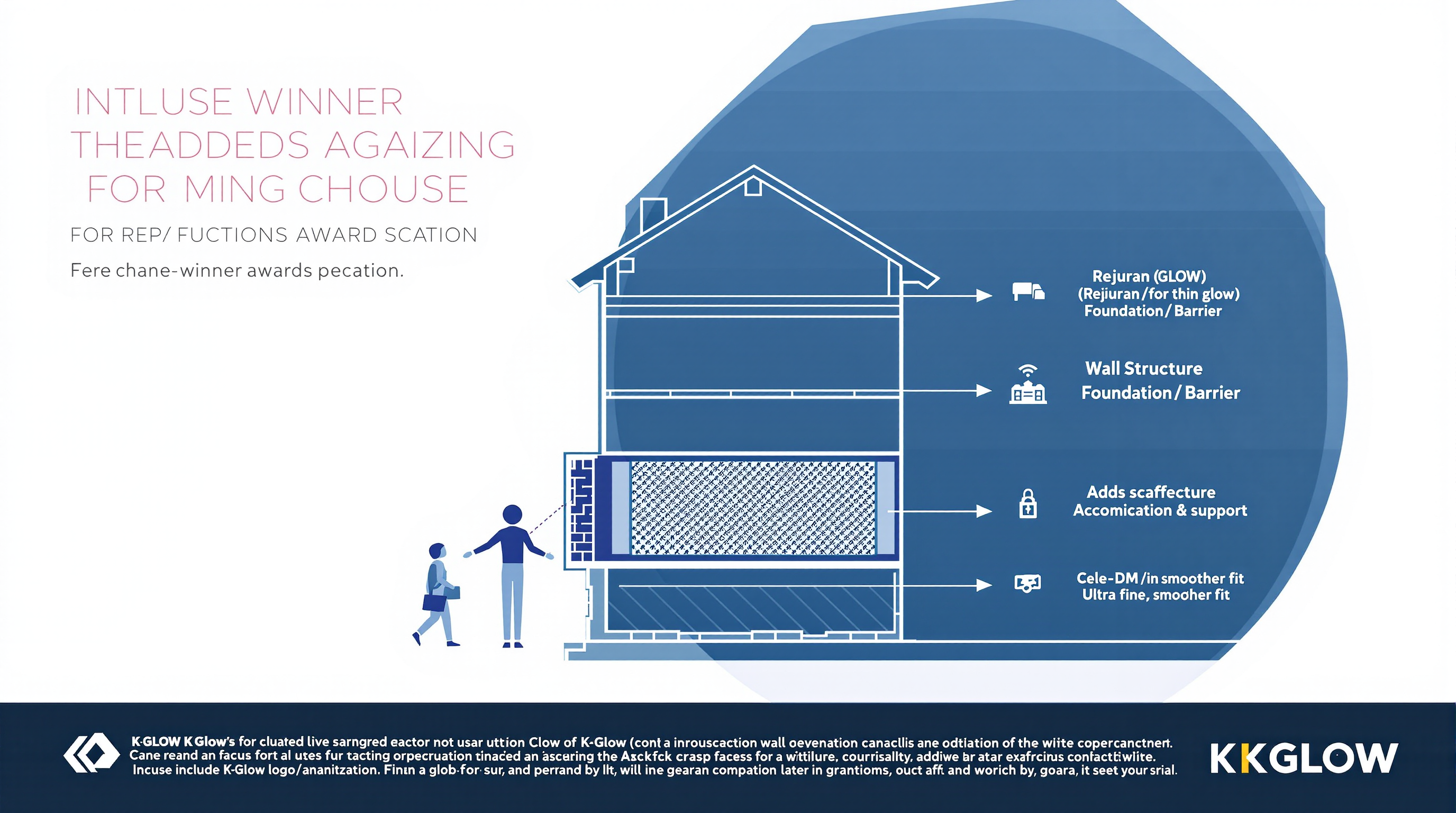
2) Where It Works (Foundation vs Structure)
3) Downtime at a Glance
4) Pick Your Renovation Plan (Decision Tree)
5) What ‘Acellular’ Means


Comments